Former Groq Engineers Sue Over $20B Nvidia Deal, Raising Policy and Sourcing Questions for AI Hardware
원래 게시됨: Former Groq engineers sue board over $20 billion Nvidia deal
AI 개요
Hardware engineering teams relying on emerging AI accelerator roadmaps must evaluate how legal challenges to reverse acqui-hires could shift platform availability and vendor support dynamics.
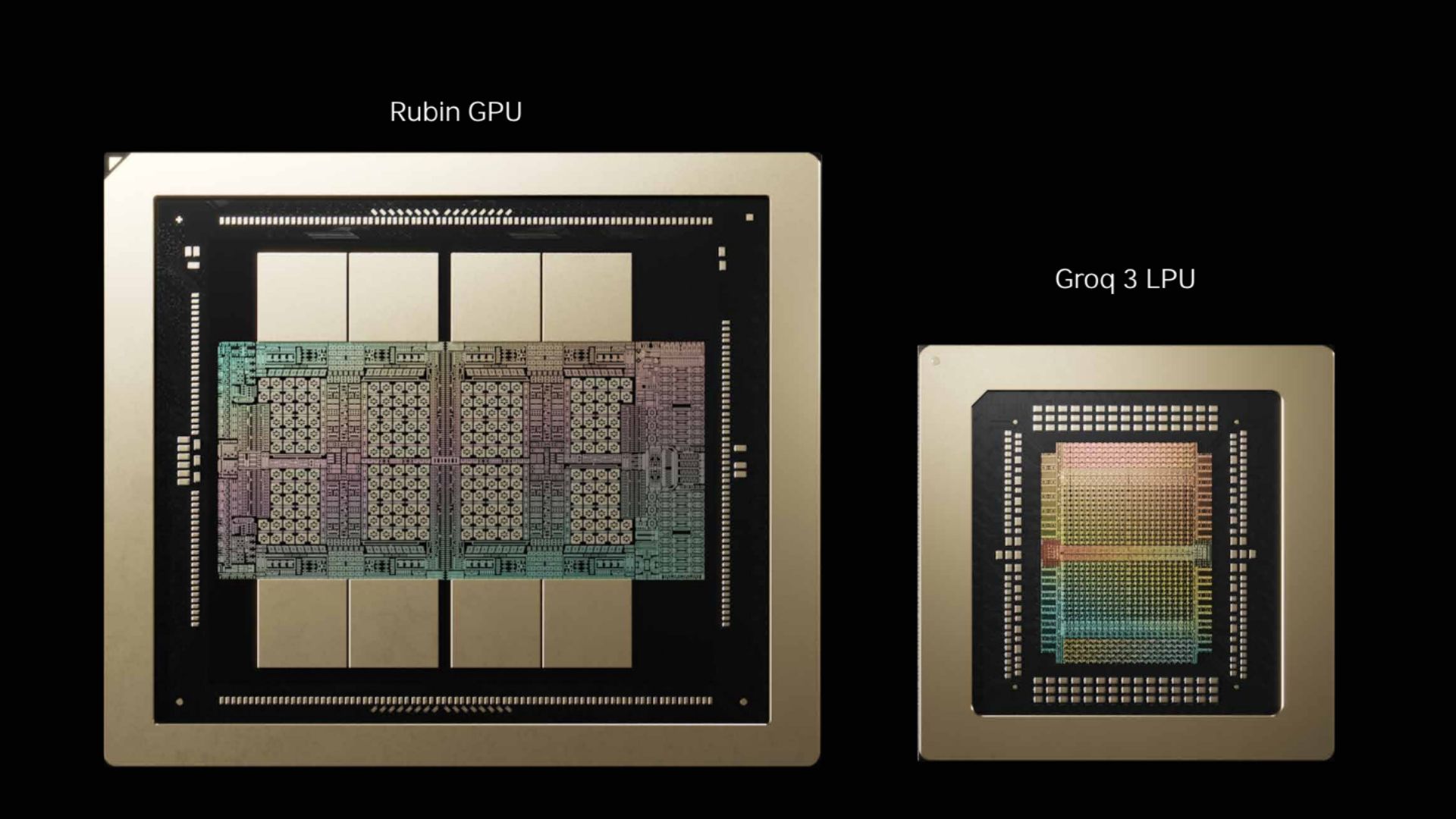
A lawsuit unsealed in Delaware's Court of Chancery by former Groq engineers targets the company's board and former CEO over a controversial $20 billion transaction with Nvidia. Instead of an outright acquisition, the arrangement structured a $17 billion licensing fee for technology like the Groq 3 LPX and a $3 billion stock pool for transferred engineering talent, leaving some shareholders out of the windfall while drawing scrutiny from the Department of Justice.
For hardware teams and ecosystem buyers, the deal integrates Groq's high-speed LPU architecture—such as the LP30 featuring 500MB SRAM per die and 150 TB/s bandwidth built on Samsung's 4nm process—directly into Nvidia's roadmap as a decode co-processor for platforms like Vera Rubin NVL72. However, the legal challenge questions the validity of circumventing traditional merger reviews through extensive licensing and talent migration agreements.
Hardware procurement and engineering strategists should monitor how regulatory bodies, including the DOJ and FTC, handle these alternative "reverse acqui-hire" structures. As major chipmakers increasingly utilize licensing frameworks to absorb specialized engineering teams, platform roadmaps and long-term ecosystem stability may be impacted by ongoing legal and antitrust precedents.
질문 및 답변
The plaintiffs allege that the board and former CEO improperly structured a $20 billion deal with Nvidia as a license-and-hire agreement rather than an outright acquisition, harming certain shareholders and avoiding standard merger reviews.