


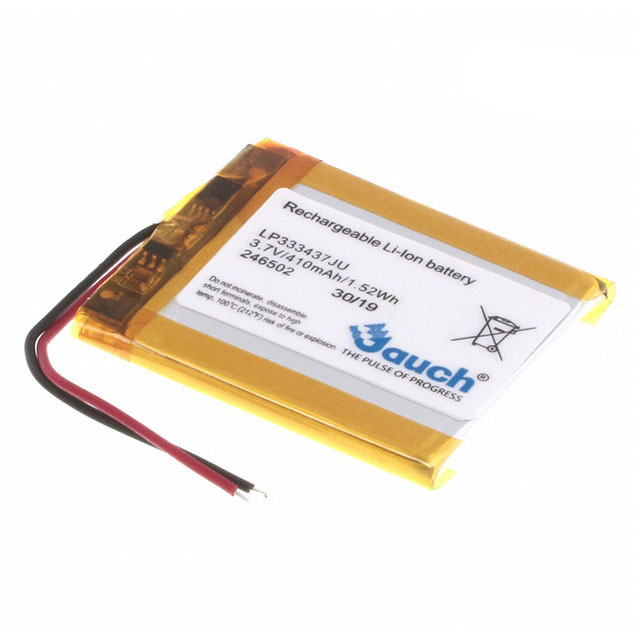

Primary batteries are non-rechargeable and intended for single use, while secondary batteries are designed to be recharged and reused over many cycles.
Rechargeable Secondary Batteries Component Intelligence
Engineering-grade secondary cells for high-cycle and portable power applications.
What are Rechargeable Secondary Batteries components?
Secondary batteries are designed for repeated charge-discharge cycles. Selection requires balancing energy density, C-rate, operating temperature, and cycle life. Always verify the BMS compatibility and charging profile requirements before finalizing your design.
How to Choose Rechargeable Secondary Batteries Components
Selecting the right secondary cell requires matching the electrochemical properties to your system's power profile.
Chemistry Selection
Choose between Li-ion for energy density, NiMH for robustness, or Lead-Acid for high-capacity stationary needs.
C-Rate Requirements
Ensure the battery's discharge capability matches your peak load to prevent voltage sag and thermal runaway.
Cycle Life Targets
Evaluate the depth of discharge (DoD) vs. cycle life curves to ensure the battery meets your product's expected lifespan.
Charging Profile
Verify that your charging circuitry supports the specific voltage and current requirements of the chosen cell chemistry.
Thermal Constraints
Account for ambient operating temperatures, as extreme heat or cold significantly degrades capacity and safety.
Popular Rechargeable Secondary Batteries Components
Live| # | Part | Category |
|---|---|---|
| #1 | 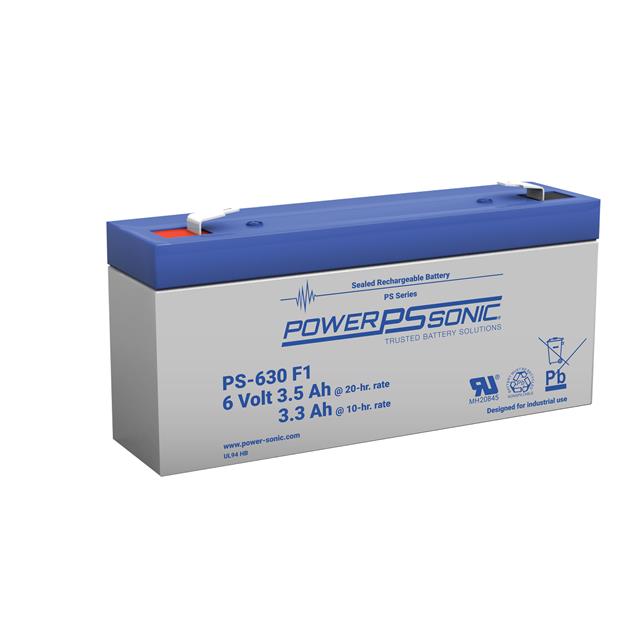 | Batteries Rechargeable (Secondary) |
| #2 | 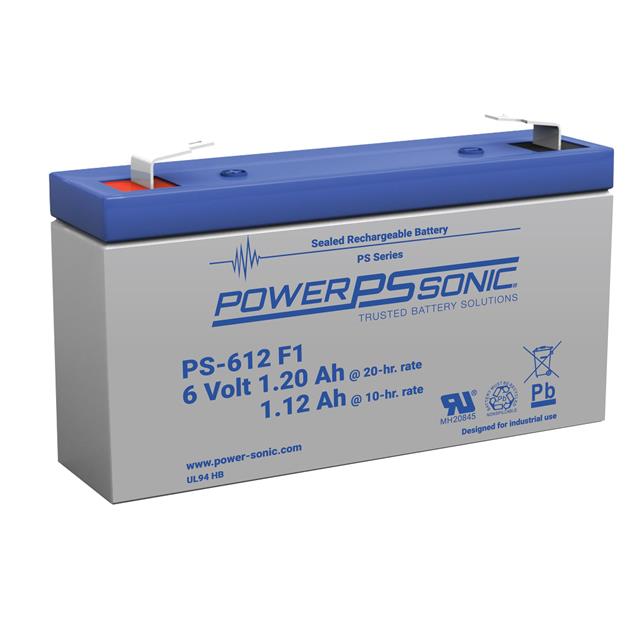 | Batteries Rechargeable (Secondary) |
| #3 | 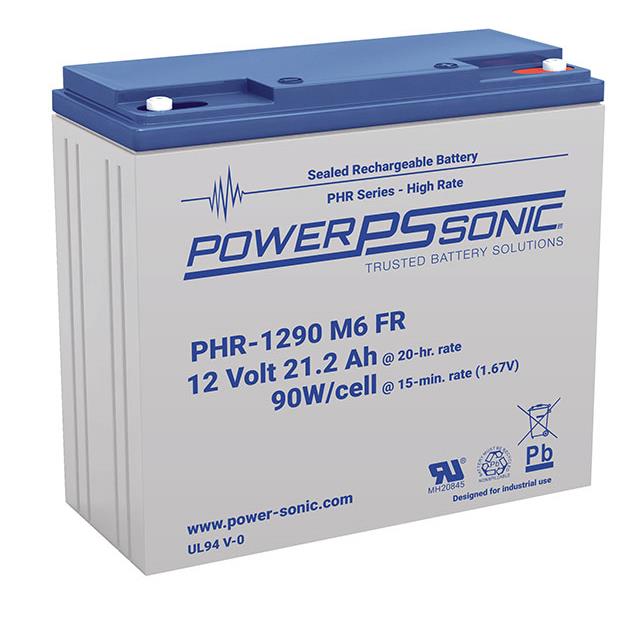 | Batteries Rechargeable (Secondary) |