The upcoming EU Cyber Resilience Act is forcing hardware developers to embed security directly into non-volatile memory components to comply with new mandates. This regulatory shift requires engineering teams to re-evaluate flash storage selection to support hardware roots of trust and cryptographic authentication.
Marvell has agreed to acquire optical component maker Lumentum in a massive $115 billion all-stock transaction to dominate next-generation AI data center connectivity. This mega-deal highlights a permanent structural shift toward integrated photonics as copper wiring hits physical limits in hyperscale AI clusters.
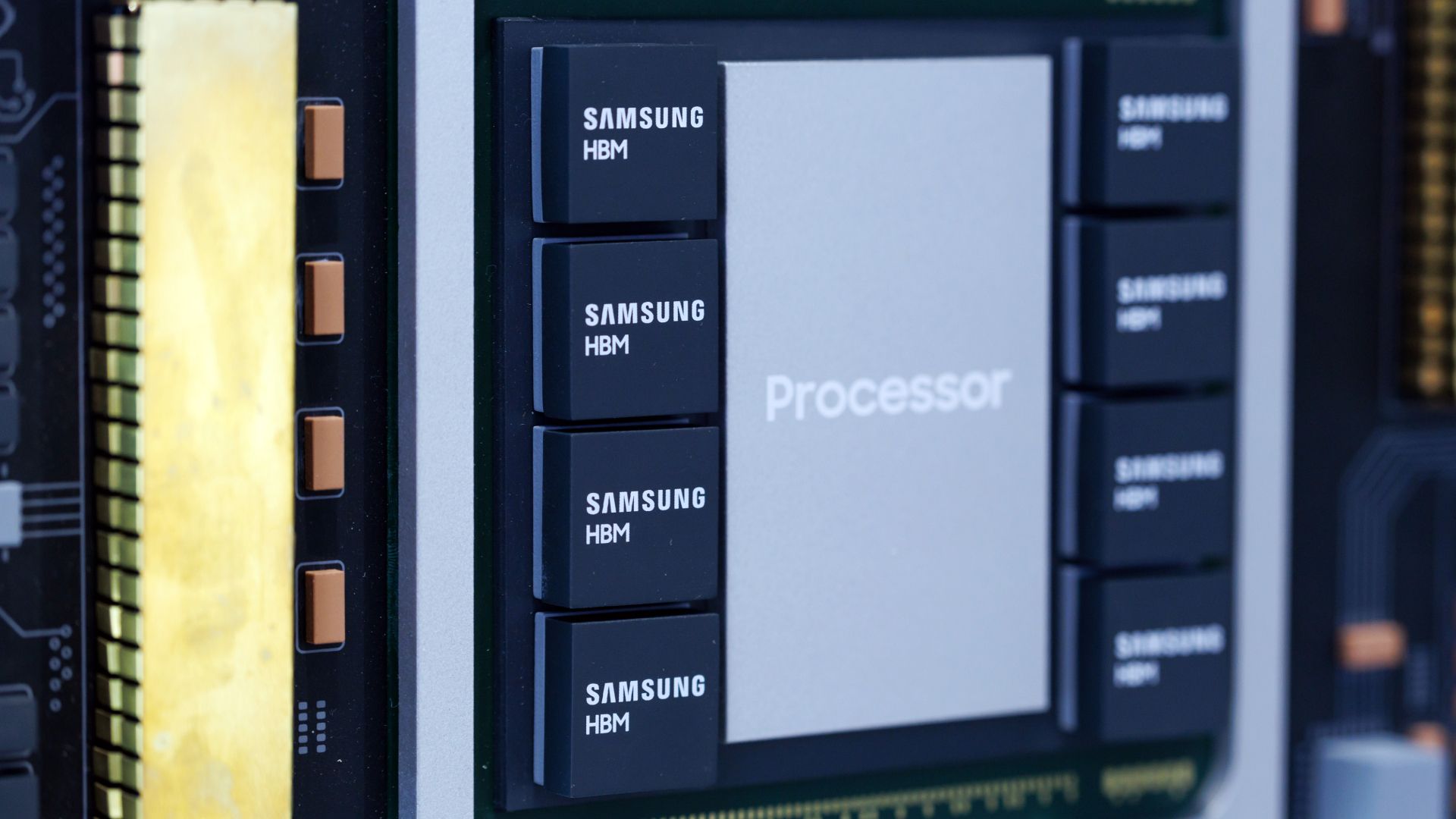
Smugglers are exploiting regulatory loopholes by bundling export-controlled HBM memory chips with low-performance processors to bypass trade restrictions into China. This workaround highlights severe domestic memory bottlenecks for local AI accelerators, driving astronomical black-market prices.
Alphabet's inventory surged to $13.3 billion as the tech giant expanded its operations into supplying complete Tensor Processing Unit systems for customer facilities. This transition shifts capital allocation dynamics, highlighting the complex working-capital demands of building complex AI hardware infrastructure ahead of final delivery.
Co-packaged optics (CPO) relies heavily on advanced packaging innovations to scale effectively for next-generation AI workloads. Hardware teams must evaluate complex multi-material integration hurdles when shifting from traditional electrical traces to optical interconnects.
Modernizing digital design data management by integrating version control directly into text-based developer environments helps streamline complex hardware flows. Bringing these capabilities into tools like Visual Studio Code reduces context switching and governance errors across multidisciplinary engineering teams.
AAEON has released the UP Nexus WCL Edge system, powered by Intel Core Series 3 processors to provide up to 40 TOPS of heterogeneous edge AI performance. This deployment-ready architecture integrates high-capacity LPDDR5 memory and robust I/O to solve spatial and thermal bottlenecks in industrial computing.
Ushio is rolling out advanced LED-light-sourced projection aligners to enhance production efficiency for power semiconductors and MEMS sensors. This transition addresses tighter environmental regulations while maintaining high throughput for larger 6-inch and 8-inch wafers.
Intel Foundry has released its Intel 14A process design kit version 0.9, incorporating silicon-backed validation for its upcoming 2nd-generation RibbonFET and PowerDirect backside power delivery architectures. This milestone allows hardware teams to begin advanced product development and risk-production planning ahead of the full PDK 1.0 rollout targeted for early 2027.
U.S. manufacturing activity expanded for the 10th consecutive month in October, driven by robust production growth and steady new factory orders. While strong output bolsters domestic supply chains, rising input costs and extended lead times require hardware teams to closely monitor component availability.
Keysight Technologies is showcasing advanced design, emulation, and test architectures at electronica 2026 to target high-speed AI infrastructure and automotive systems. These instrumentation updates provide hardware teams with essential validation methods for emerging 1.6T links and multi-gigabit interconnect standards.
The IEEE Computer Society Central Indiana Chapter launched a virtual Tech Talk Series focusing on practical engineering challenges, AI governance, and system design. For hardware and software engineering teams, these webinars provide actionable insights into deploying emerging technologies like agentic AI systems securely.
The IEEE Computer Society Central Indiana Chapter launched a virtual Tech Talk Series focusing on practical engineering challenges, AI governance, and system design. For hardware and software engineering teams, these webinars provide actionable insights into deploying emerging technologies like agentic AI systems securely.