


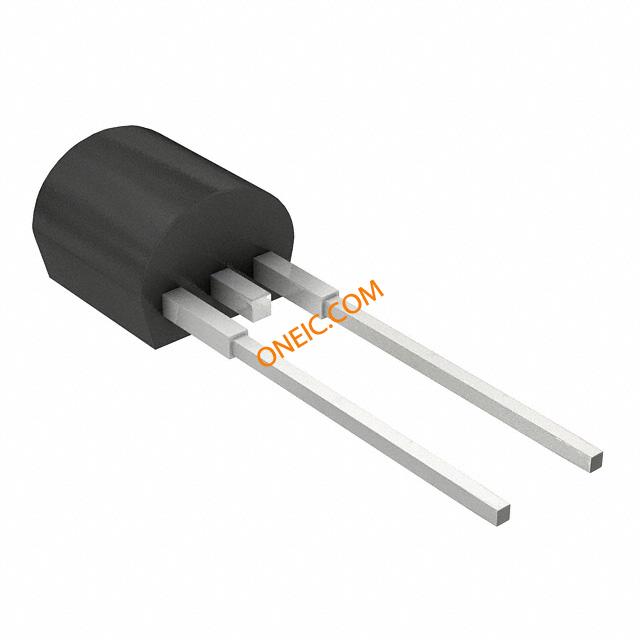
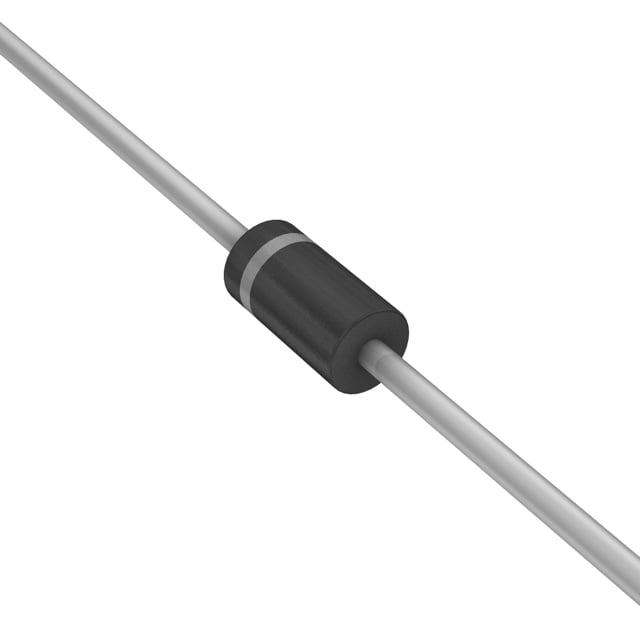

A DIAC is a low-power device used primarily for triggering TRIACs in phase control. A SIDAC is a higher-power, high-voltage device often used for overvoltage protection and pulse generation.
DIACs and SIDACs Component Intelligence
Precision trigger and protection components for power control and transient suppression.
What are DIACs and SIDACs components?
DIACs and SIDACs are bidirectional trigger devices. DIACs are primarily used to trigger TRIACs in AC phase-control circuits, while SIDACs handle higher power levels and serve as robust overvoltage protection devices for transient suppression.
How to Choose DIACs and SIDACs Components
Selecting the right trigger device requires matching the switching characteristics to your load and control circuit.
Breakover Voltage (VBO)
Ensure the VBO is compatible with your trigger threshold requirements to prevent premature or delayed firing.
Peak Current Rating
Verify the device can handle the pulse current required to gate the target TRIAC or SCR reliably.
Bidirectional Symmetry
Check for symmetrical switching characteristics if your application requires balanced triggering in both AC half-cycles.
Package and Thermal
Select appropriate packaging based on power dissipation needs and PCB mounting constraints.
Application Type
Distinguish between low-power phase control (DIACs) and high-energy surge protection (SIDACs).