

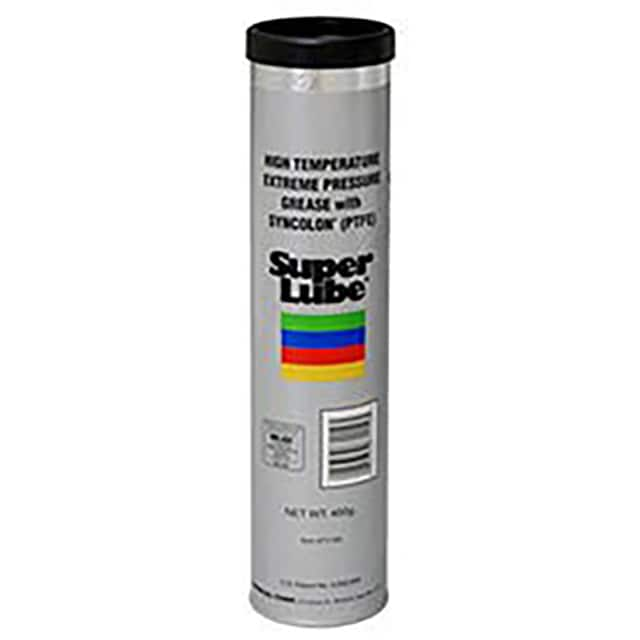


Consult the manufacturer's compatibility chart. Generally, greases with the same thickener type are compatible, but testing is recommended when switching chemistries.
Greases and Lubricants Component Intelligence
Precision lubrication for high-cycle automation and mechanical reliability.
What are Greases and Lubricants components?
Industrial greases and lubricants are critical for reducing friction, preventing wear, and protecting components from environmental ingress. Selection must prioritize base oil type, thickener compatibility, and operating temperature range to ensure system longevity.
How to Choose Greases and Lubricants Components
Select lubricants based on the specific mechanical load, environmental exposure, and material compatibility of your assembly.
Base Oil Type
Choose synthetic for wide temperature stability or mineral for cost-effective general-purpose applications.
Thickener Compatibility
Ensure the thickener (e.g., lithium, polyurea) is compatible with existing residues to prevent hardening or separation.
NLGI Grade
Match the NLGI consistency grade to your application's dispensing method and load-bearing requirements.
Environmental Factors
Verify resistance to water washout, oxidation, and chemical exposure for harsh industrial environments.
Electrical Conductivity
Use dielectric lubricants for electrical contacts to prevent arcing and corrosion without causing shorts.
Popular Greases and Lubricants Components
Live| # | Part | Category |
|---|---|---|
| #1 |  | Greases and Lubricants |
| #2 |  | Greases and Lubricants |
| #3 |  | Greases and Lubricants |