


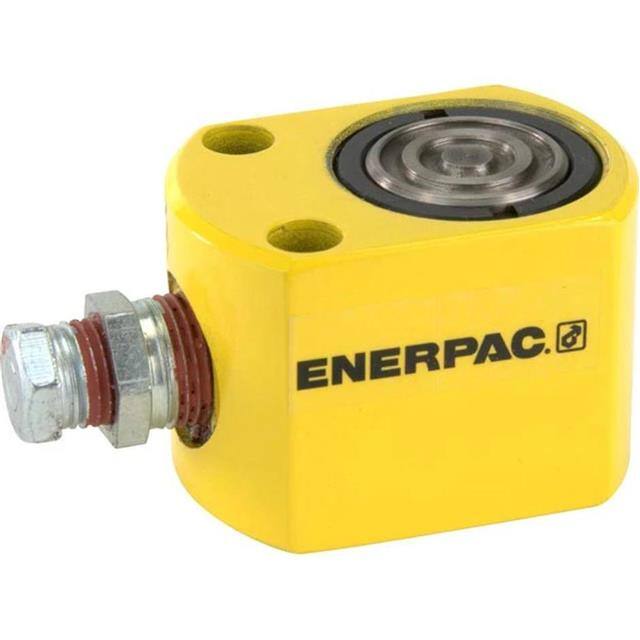

Divide the required force by the system operating pressure, then solve for the area (A = πr²). Always add a 20-30% safety margin for friction and dynamic loads.
Pneumatics, Hydraulics - Actuators/Cylinders Component Intelligence
Precision fluid power motion control for industrial automation.
What are Pneumatics, Hydraulics - Actuators/Cylinders components?
Pneumatic and hydraulic actuators convert fluid energy into mechanical motion. Choose pneumatics for high-speed, clean, low-force tasks; select hydraulics for high-force, precise, and heavy-duty industrial load handling.
How to Choose Pneumatics, Hydraulics - Actuators/Cylinders Components
Selecting the right actuator requires balancing force requirements against system fluid dynamics.
Force vs. Pressure
Calculate required force (F=P*A) considering system pressure limits and safety factors.
Stroke and Bore
Match bore diameter to force needs and stroke length to the required range of motion.
Duty Cycle
High-frequency cycling requires robust seals and low-friction internal coatings to prevent premature wear.
Environmental Sealing
Select IP-rated housings and specific seal materials (e.g., Viton, NBR) based on ambient temperature and fluid chemistry.
Mounting Style
Ensure the mounting type (clevis, flange, or trunnion) aligns with the mechanical load path to avoid side-loading.
Popular Pneumatics, Hydraulics - Actuators/Cylinders Components
Live| # | Part | Category |
|---|---|---|
| #1 |  | Hydraulics |
| #2 |  | Hydraulics - Actuators/Cylinders |
| #3 |  | Hydraulics - Actuators/Cylinders |