Explosion at Intel's Kiryat Gat Fab Raises Supply Continuity Concerns for Tight Processor Nodes
Originally published as: Two killed, one seriously hurt in explosion at Intel’s chip plant in Israel
AI overview
A fatal safety incident at Intel's Kiryat Gat facility threatens to compound existing capacity tightness on mature processor nodes, making proactive supply tracking essential for hardware buyers.
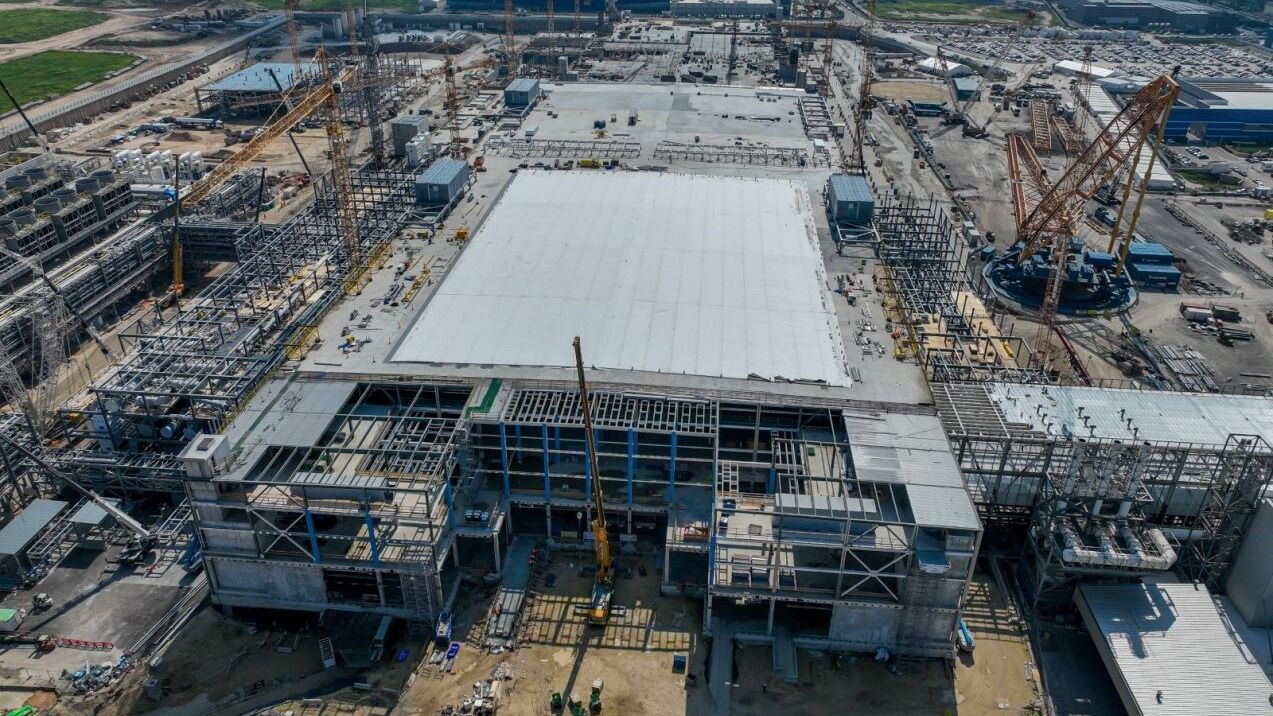
An explosion occurred during a material transfer into storage tanks at Intel's Kiryat Gat campus in southern Israel, housing the Fab 28 facility. The blast triggered a hazardous material response involving nitrogen trifluoride (NF3), a specialized gas used extensively to clean chamber residues in semiconductor fabrication tools. While emergency services secured the site and noted no secondary leaks or public danger, the tragic human toll underscores the acute operational hazards inherent in high-volume wafer fabrication plants.
The plant's operational status is particularly critical given existing supply pressures. Fab 28 is responsible for producing legacy and mainstream processor architectures on mature nodes like Intel 7, which have experienced severe capacity constraints and allocation tight spots. Industry analysts note that wafer output from this site feeds key server and client platforms, leaving little slack in the manufacturing pipeline if equipment maintenance or safety inspections force temporary line downtime.
Hardware engineering and procurement teams should closely monitor potential delivery slips or allocation tightening for affected processor lines. While Intel has not yet formally quantified production impacts, ongoing safety investigations or regulatory scrutiny at the site could exacerbate existing supply bottlenecks heading into upcoming quarters.
Questions & answers
The incident occurred at Intel's Kiryat Gat manufacturing campus in southern Israel, which houses the Fab 28 facility.