
LMR43620R5RPER is a Texas Instruments 2 A synchronous step-down DC/DC converter. It supports 3.0 V to 36 V input operation after startup, 42 V transient input capability, a 5 V fixed or adjustable output configuration, and RT-programmable switching frequency.
LMR43620R5RPER AI Analysis:
Datasheet, Specs, Alternatives & ECAD
AI summary
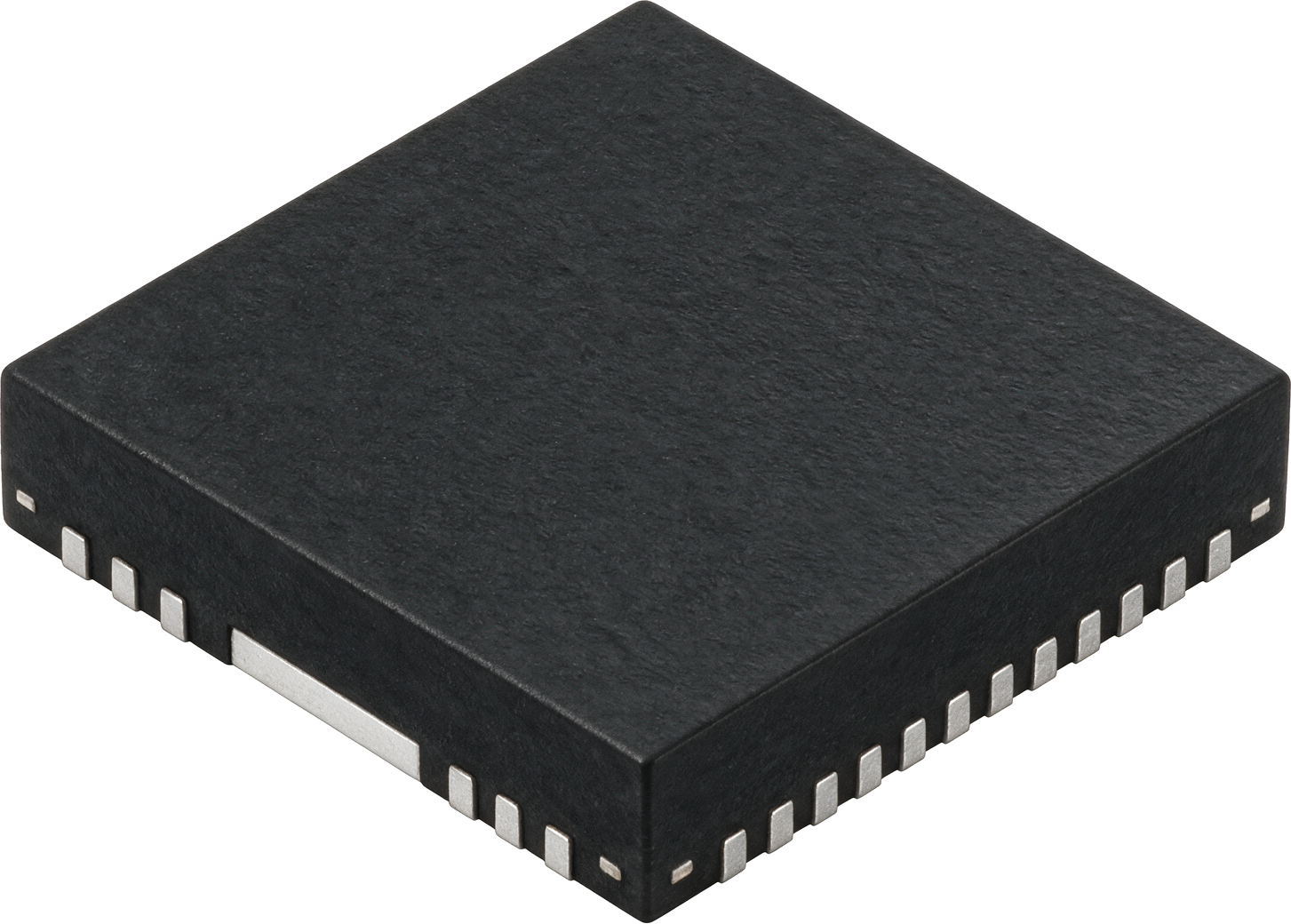
LMR43620R5RPER
Power Management (PMIC)
Key specifications
- Input voltage
- 3.0 V to 36 V after startup
- Output current
- 2 A continuous
- Switching frequency
- 200 kHz to 2.2 MHz with RT resistor
- Package
- 2 mm × 2 mm 9-pin VQFN-HR
Compliance & Environment
- RoHS
- RoHS & Green
- REACH
- -
- MSL
- MSL 2, 260 °C, 1 year
- ECCN
- -
- HTSUS
- -
Application
Industrial power railsFactory automationProcess sensorsCompact DC/DC conversion
Datasheet
CAD Models
Download ECAD models for LMR43620R5RPER: KiCad symbol & footprint, Altium footprint, PCB footprint, and 3D model.
EDA Symbol
Schematic symbol for your EDA tool
PCB Footprint
Land pattern for PCB layout
3D Model
STEP file for mechanical design
KiCad Library
Verified KiCad 8 symbol, footprint, and 3D model
Alternative components
Alternatives are being enriched. Analyze this part in PartGenie for the latest matches.